Description
About the Artist Moshe Castel (1909–1992) remains one of Israel’s most prominent and celebrated artists. Born in Jerusalem, he was a descendant of a Sephardic family that immigrated to the region following the Spanish Expulsion. Castel began his formal training at the Bezalel School of Arts in Jerusalem before moving to Paris. There, he became part of an influential circle of artists that included Pablo Picasso, Henri Matisse, Chaim Soutine, and Marc Chagall.
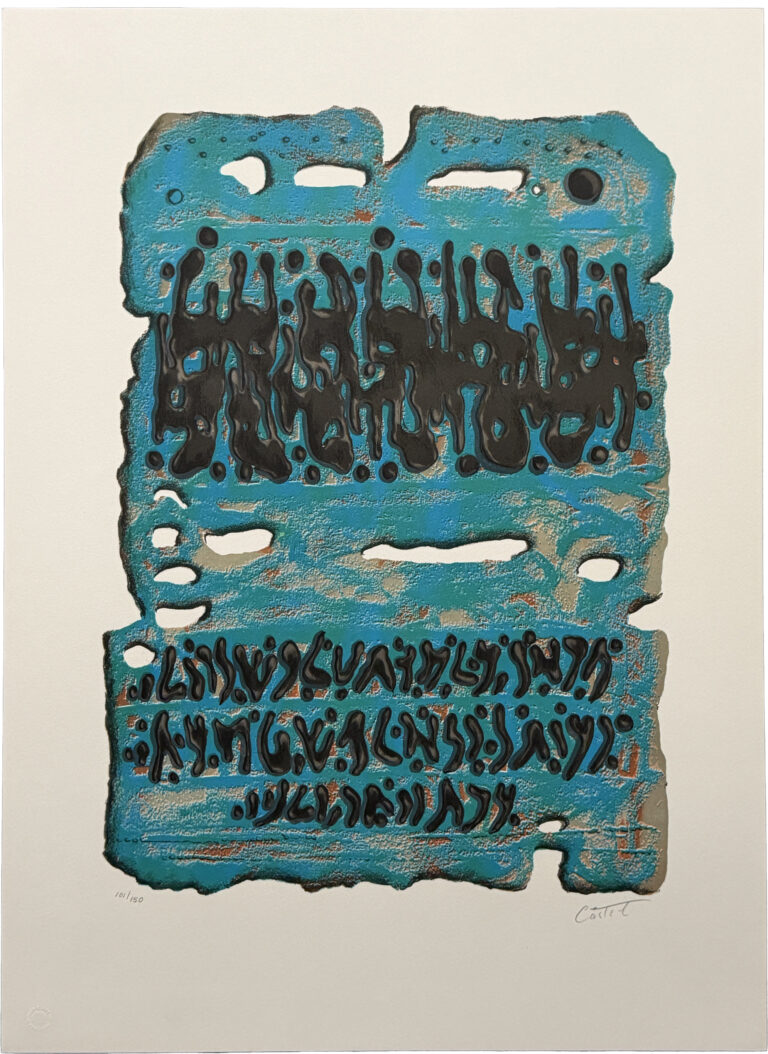
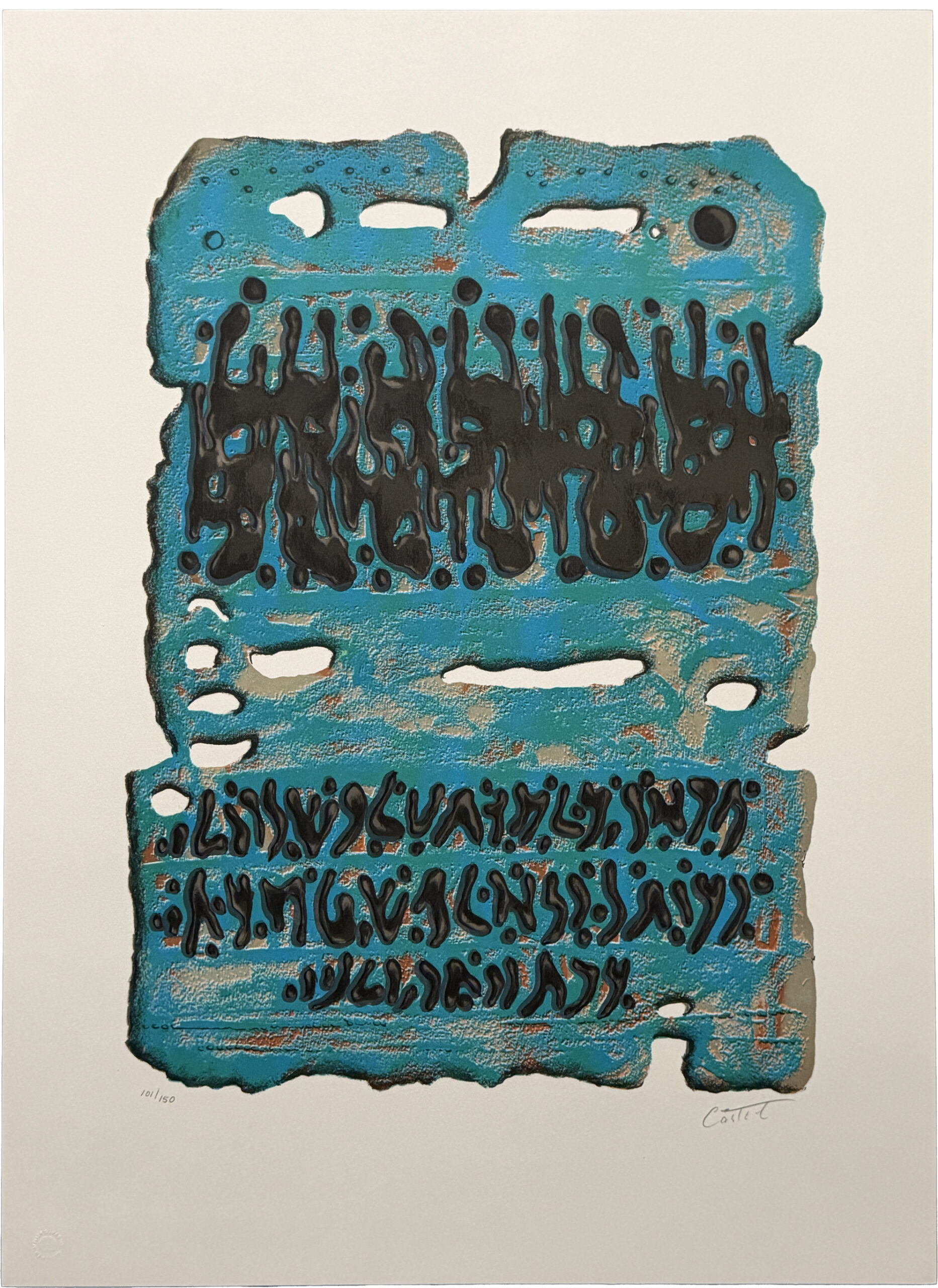
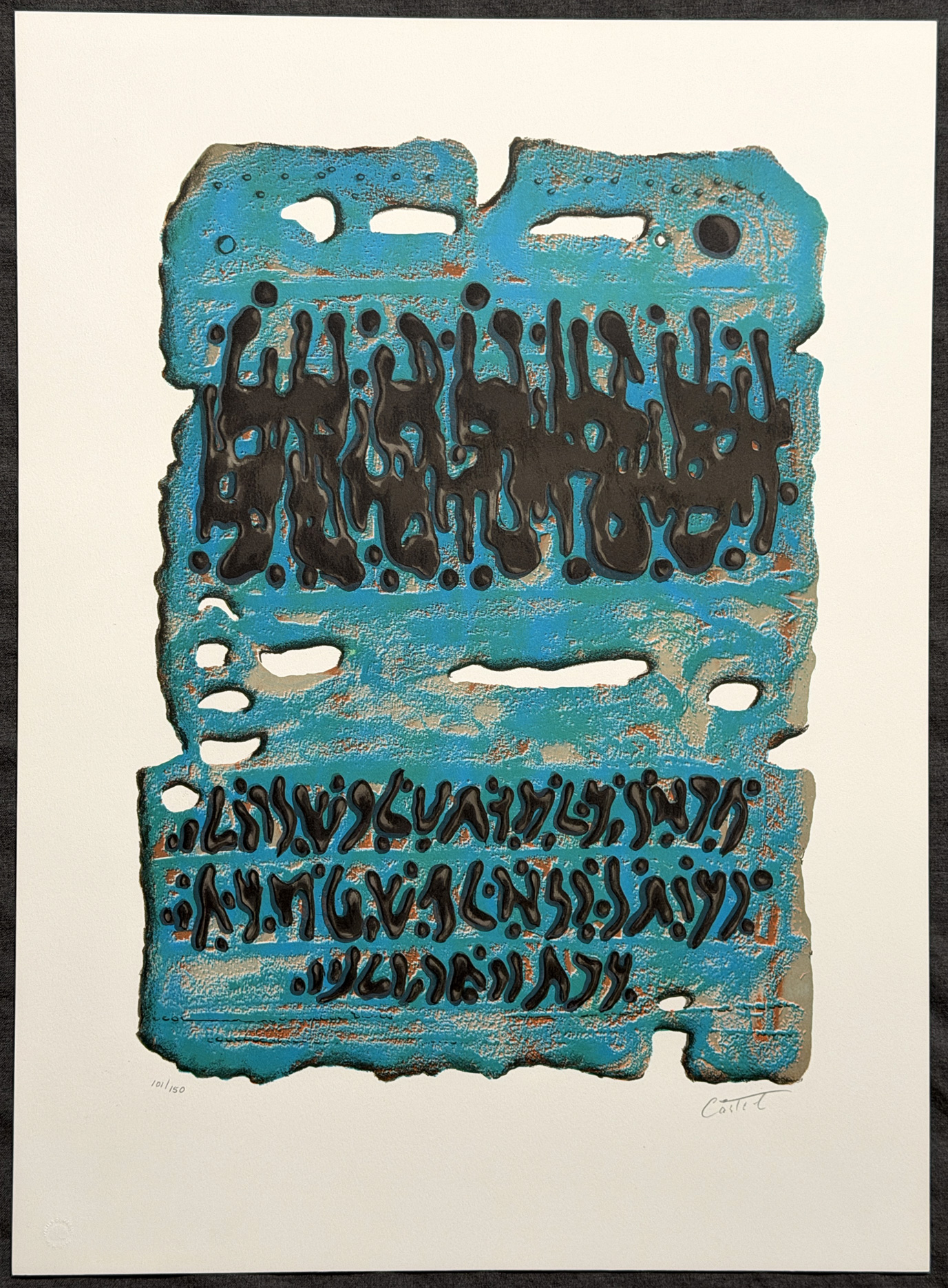
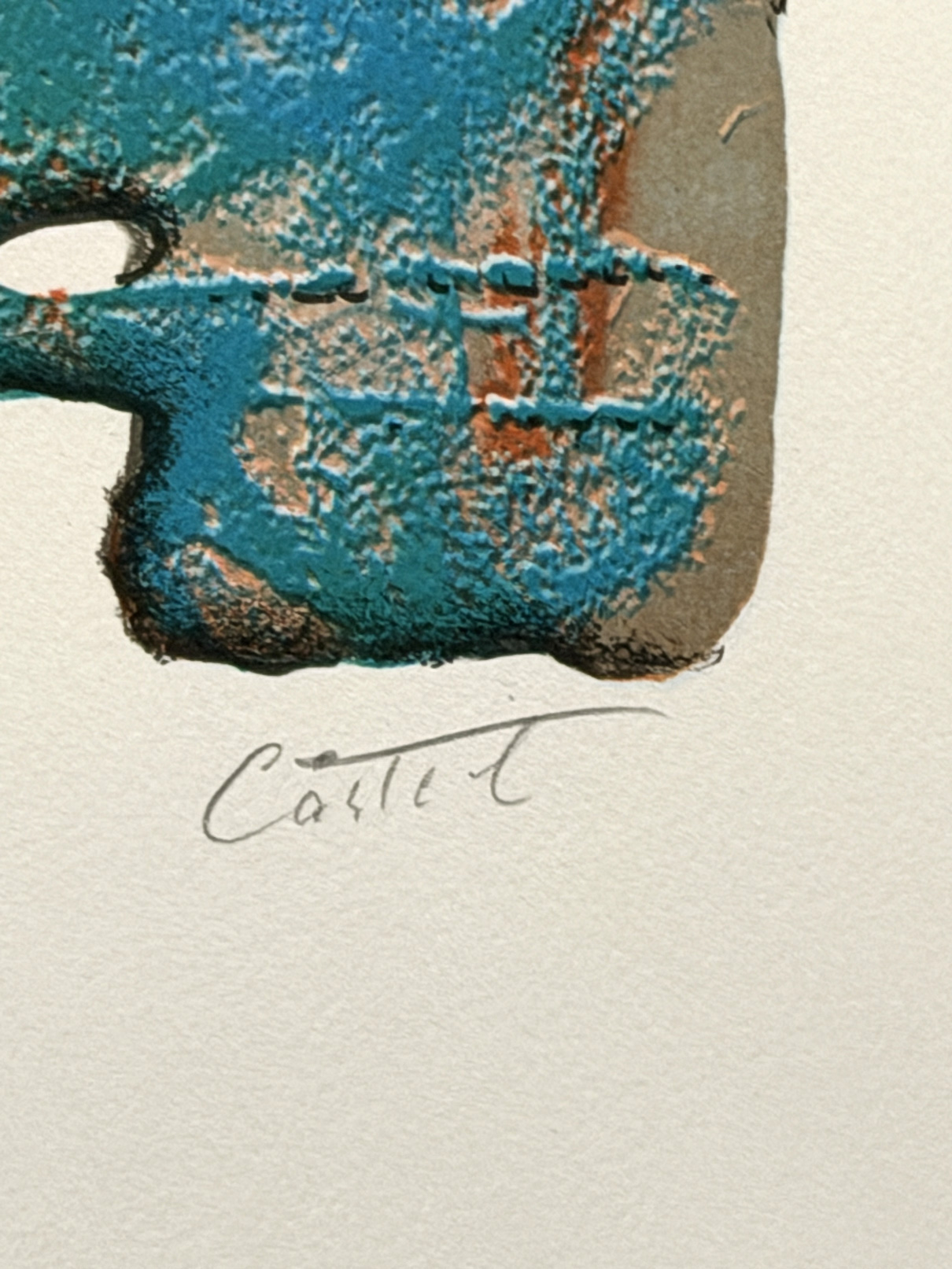
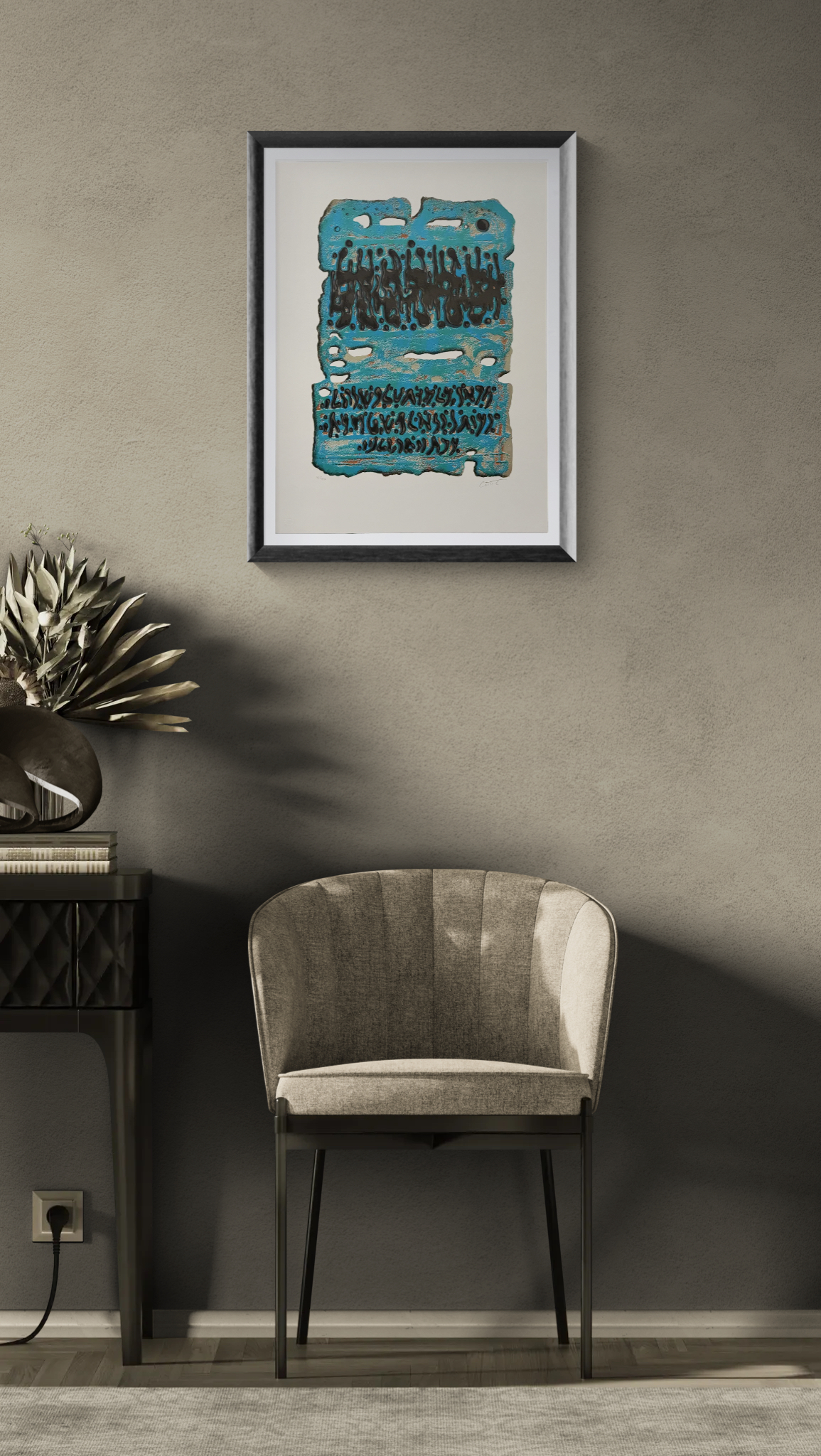
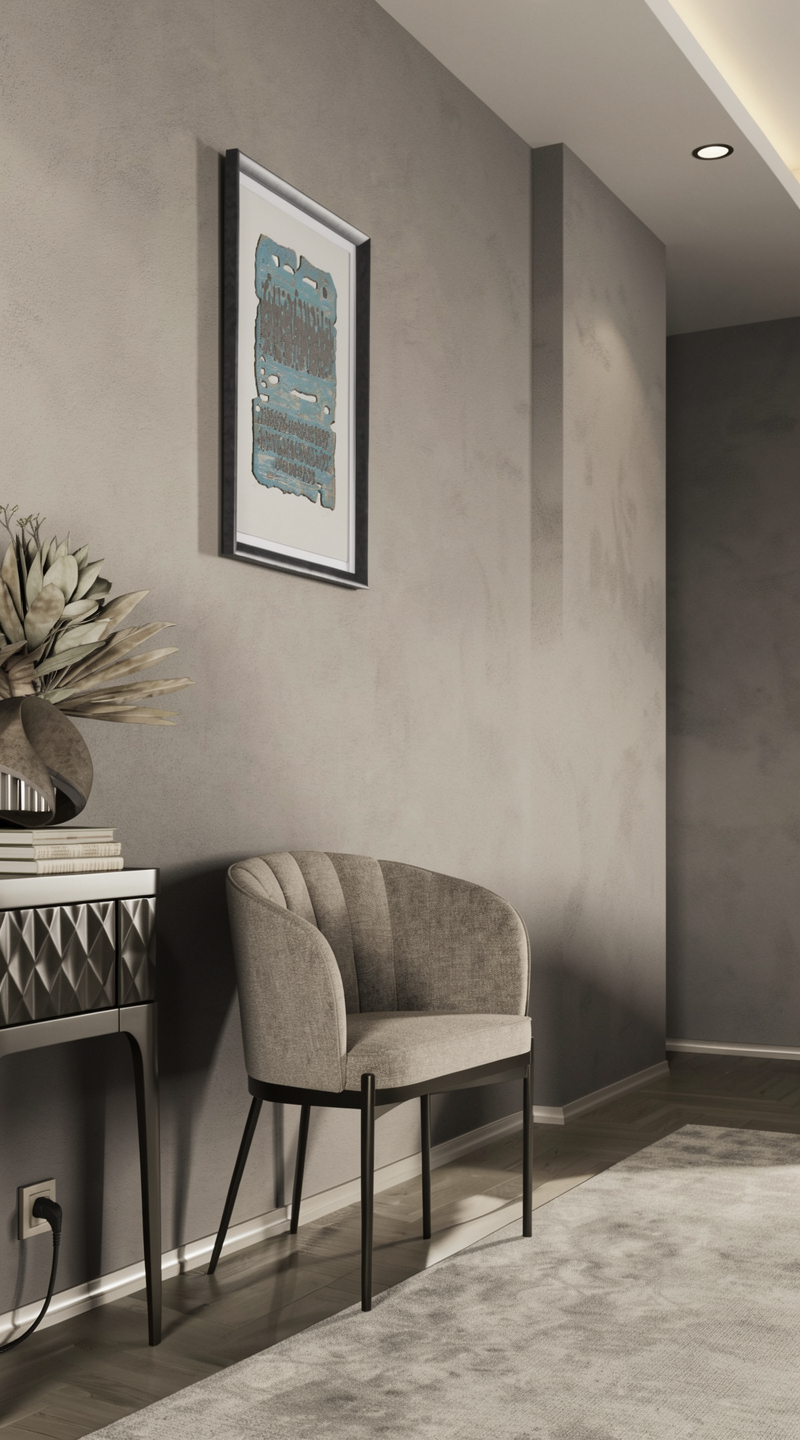
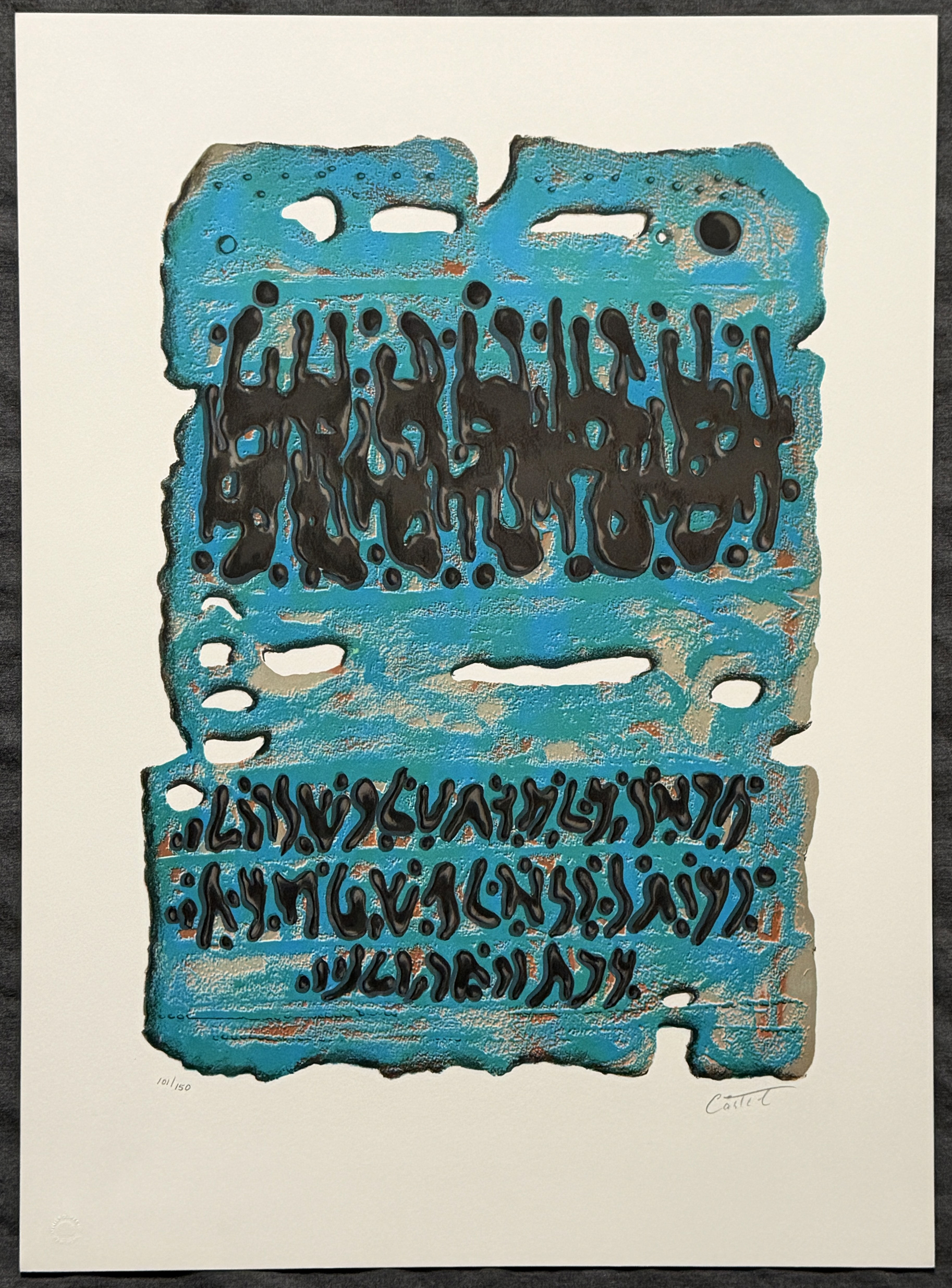
Castel’s work is highly regarded for its deep Judaic symbolism and rich, tactile surfaces. He became internationally famous for his innovative use of ground basalt—a black volcanic rock indigenous to several areas of Israel—to build up his canvases. Many of his paintings feature intricate, relief-like symbols that evoke ancient forms of script and archaic writing. These highly textured surfaces are frequently brought to life by his signature palette of striking reds, greens, and blacks.
Today, his monumental works adorn prestigious locations such as the Israeli Presidential Mansion and the Knesset (the Israeli Parliament) in Jerusalem, and his art is exhibited in major museum collections around the world.